
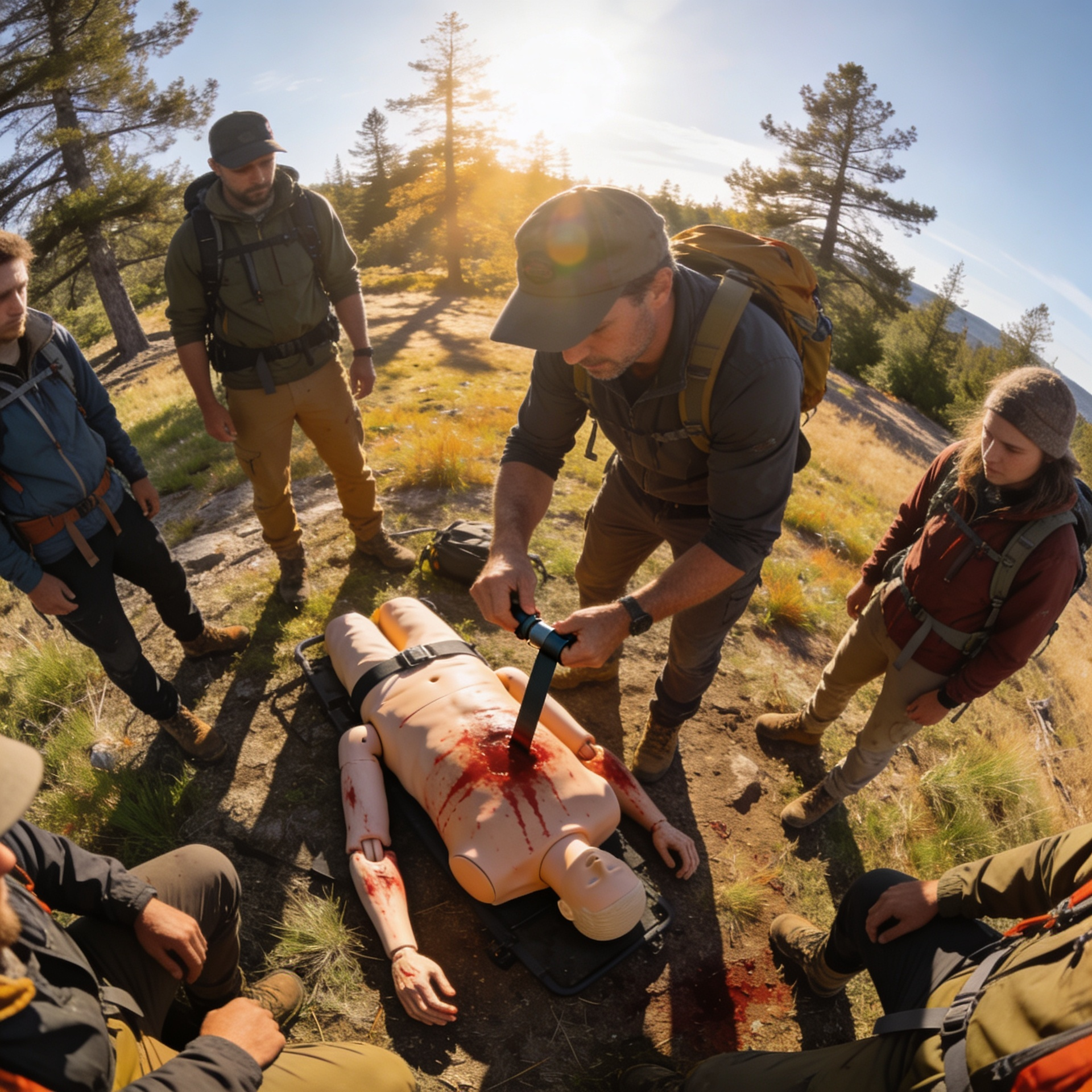
Real Backcountry Emergency Scenarios: How Prepared Are You Really?
Walk through five realistic backcountry emergencies and find out if you'd actually survive them, or if it's time to upgrade your training.
You've watched the YouTube videos. You've read the gear reviews. You've got a well-stocked IFAK in your rig and a fire kit in your pack. But here's the uncomfortable question almost no one wants to answer honestly: when something actually goes wrong 20 miles from pavement, do you know what to do, or do you just know what to buy?
There's a massive gap between knowing about backcountry emergencies and being able to manage one with cold hands, fading light, and someone you love bleeding in front of you. The only way to close that gap is to test yourself before reality does.
Below are five realistic scenarios pulled from the kinds of incidents we see and train for at TimberRaven Outdoors. Read each one, pause, and honestly ask yourself: What would I do next? Then compare your answer to the breakdown. No judgment, just an honest gut check on where your skills actually stand.
Scenario 1: Rollover Injury, 20 Miles From Cell Service
You're leading a small group on a remote forest service road. On a slow off-camber section, the lead rig catches a hidden washout and rolls onto its side, then onto its roof. The driver is conscious but disoriented, hanging from his seatbelt. The passenger is silent, slumped, with blood on her temple. You smell fuel.
What do you do next?
The Honest Self-Check
Most people's first instinct is to rush in and pull both occupants out. That instinct is exactly what gets bystanders hurt and patients killed.
The Correct Response
- Scene safety first. Stop your own vehicle a safe distance away, set the parking brake, and assess for fire, fuel leaks, terrain instability, and traffic. A second casualty doesn't help anyone.
- Stabilize the vehicle if it's resting in a precarious position. Chock with rocks, logs, or recovery gear before approaching.
- Triage by survivability. The conscious driver can wait if he's breathing and not hemorrhaging. The silent passenger with a head injury is your priority.
- Manage the airway and bleeding using the MARCH framework — Massive hemorrhage, Airway, Respirations, Circulation, Hypothermia. Apply direct pressure or a tourniquet to any life-threatening bleed before anything else.
- Decide: extricate or stabilize in place? Only extricate if there is an immediate life threat (fire, fuel ignition risk, drowning) or if you cannot manage the airway in the current position. Otherwise, stabilize the cervical spine and treat in place.
- Activate rescue. Deploy your satellite communicator (inReach, ZOLEO, or PLB). If you don't have one, send your most capable driver toward cell service with exact GPS coordinates, patient condition, and number of patients.
- Prevent hypothermia. Even in moderate temperatures, trauma patients lose heat rapidly. Insulate from the ground and cover them.
If you didn't have a clear answer for steps 3 through 6, you're not alone — and you're also not ready.
Scenario 2: Deep Laceration While Field Dressing Game
You're solo, four miles from your truck, kneeling over a downed elk as the light fades. Your knife slips and opens a deep gash across the meat of your forearm. Blood is coming fast — not spurting, but soaking your sleeve in seconds. You feel your heart rate climb.
What do you do next?
The Honest Self-Check
This is one of the most common real-world wilderness injuries, and it's also the one people are least mentally prepared for. Self-treatment under stress, with one functional hand, is a completely different skill than treating someone else.
The Correct Response
- Sit down. Now. Before anything else. If you pass out standing on a hillside, the fall can kill you faster than the bleed will.
- Apply direct pressure with your other hand or a clean cloth. Hold it. Don't peek every 10 seconds — you're disrupting clot formation.
- Elevate the arm above heart level while maintaining pressure.
- If bleeding is not controlled in 3–5 minutes, apply a tourniquet high and tight on the upper arm. Yes, on yourself. Yes, with one hand. This is a skill you should have practiced — most people have never put a CAT tourniquet on themselves.
- Once bleeding is controlled, pack the wound with hemostatic gauze if you have it, or clean gauze if you don't, and wrap with a pressure dressing.
- Assess your ability to self-extract. Can you walk out? Can you drive? Are you going into shock? If the answer to any of these is "I'm not sure," activate your emergency beacon.
- Leave the elk. Meat is replaceable. You are not. This is the decision people get wrong every season.
If the idea of putting a tourniquet on your own arm with your non-dominant hand felt theoretical, that's because for most people, it is. Until you've done it under stress, you don't actually know if you can.
Scenario 3: Hypothermia Onset During an Unexpected Storm
A planned three-hour ridge hike turns into eight when weather rolls in early. Your hunting partner stops talking as much. He stumbles twice on flat ground. When you ask if he's okay, he mumbles and waves you off. His jacket is soaked through. The temperature is dropping.
What do you do next?
The Honest Self-Check
Hypothermia kills people who "felt fine an hour ago." By the time someone is acting strangely, they are already in moderate hypothermia and cannot make good decisions for themselves. You have to make those decisions for them.
The Correct Response
- Stop moving forward. Continuing to push toward the trailhead is the most common fatal mistake. Get out of the wind and weather now.
- Build a microenvironment. Use a tarp, emergency bivy, or natural shelter to block wind and rain. Insulate from the ground — cold ground steals more heat than cold air.
- Strip wet layers. Wet clothing pulls heat 25 times faster than dry. This step feels counterintuitive in the cold, which is why people skip it. Replace with dry insulation.
- Add active heat. Chemical heat packs in the armpits, groin, and against the chest — the body's core, not the extremities. Warming hands and feet first can actually cause cardiac arrest in severe cases (afterdrop).
- Calories and warm fluids if the patient is alert enough to swallow safely. No alcohol, no caffeine.
- Reassess. Mild hypothermia (shivering, alert) usually rewarms in the field. Moderate to severe (no shivering, altered mental status, slurred speech) requires evacuation. Activate your beacon early — by the time you're sure, it's often too late.
The real test isn't knowing the steps. It's having the discipline to stop and shelter when every instinct is screaming at you to push for the truck.
Scenario 4: Vehicle Recovery Gone Wrong
Your buddy is stuck in deep mud. You hook up a kinetic recovery rope and start the pull. On the third attempt, the recovery point on his rig fails, sending a shackle flying through your windshield. He's fine. You're not. You have a deep gash on your forehead, your vision is blurry, and you can't remember the last few seconds clearly.
What do you do next?
The Honest Self-Check
Recovery accidents are some of the most common — and most preventable — backcountry injuries. The combination of stored kinetic energy, improvised attachment points, and fatigue is brutal.
The Correct Response
- Don't drive. Blurred vision and memory gaps are signs of concussion or worse. Get out of the driver's seat and let your partner take over decision-making.
- Control the bleeding with direct pressure and a pressure dressing. Scalp wounds bleed dramatically but are rarely fatal on their own.
- Assess for traumatic brain injury. Loss of consciousness, vomiting, unequal pupils, worsening headache, or escalating confusion are all evacuation criteria. Document time of injury and symptoms.
- Evacuate. Even a "mild" head injury 20 miles from a hospital is a serious situation. If symptoms are progressing, this is a beacon-activation event, not a "let's drive out and see how I feel" event.
- Prevention matters more than response. Use rated recovery points, soft shackles when possible, dampers on the line, and keep all bystanders well outside the recovery zone. Most of these injuries should never happen.
Scenario 5: Lost Member of Your Group at Dusk
You're camped at a remote trailhead. One member of your group went for a "quick walk" two hours ago and hasn't returned. The sun is 30 minutes from setting. Temperatures will drop into the 30s overnight. Their phone is sitting on the picnic table.
What do you do next?
The Correct Response
- Don't fragment the group. The instinct to send everyone in different directions creates more lost people. Establish base camp as the anchor point.
- Gather information fast. What were they wearing? What direction did they go? Do they have a light, water, layers? Are they prone to wandering or do they always stick to trails?
- Use sound and light. Whistle blasts in groups of three. Vehicle horn. Headlamps on strobe pointed up. Most lost people are within a half-mile of where they were last seen.
- Set a search timeline. If they're not located within 60–90 minutes of your initial efforts, contact search and rescue. SAR would rather be called early and stood down than called four hours too late.
- Prepare for them to spend the night out. If they have no gear, hypothermia is the real threat — not predators, not falls. Plan accordingly.
So, How Did You Actually Do?
Be honest with yourself. For each scenario, did you have:
- A clear, ordered sequence of actions — not just
TimberRaven Outdoors
Instructor & field professional at TimberRaven Critical Response LLC
Continue Reading
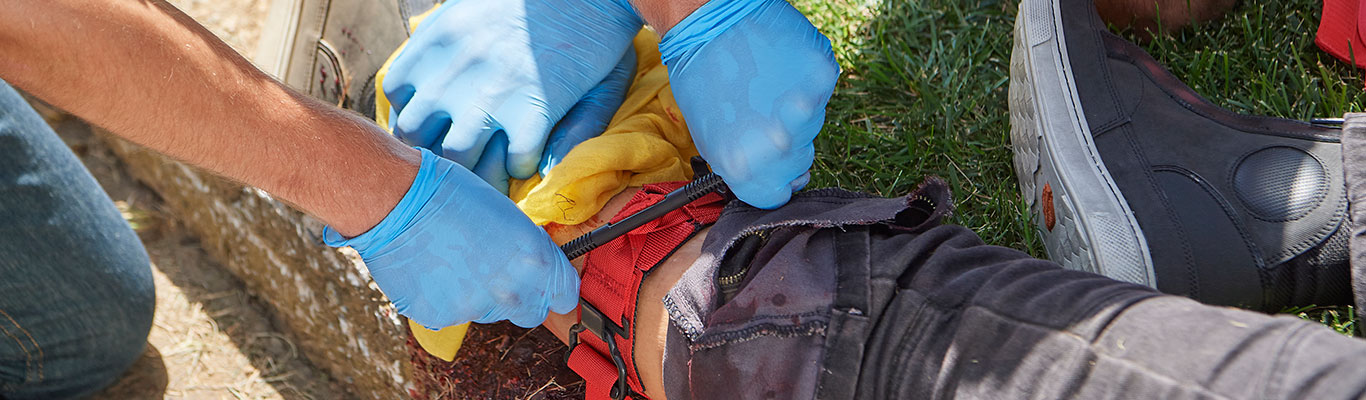
Why Two Tourniquets Belong in Every Serious IFAK
Modern trauma doctrine has evolved. Discover why carrying two tourniquets isn't overkill—it's the new standard for serious outdoor preparedness.
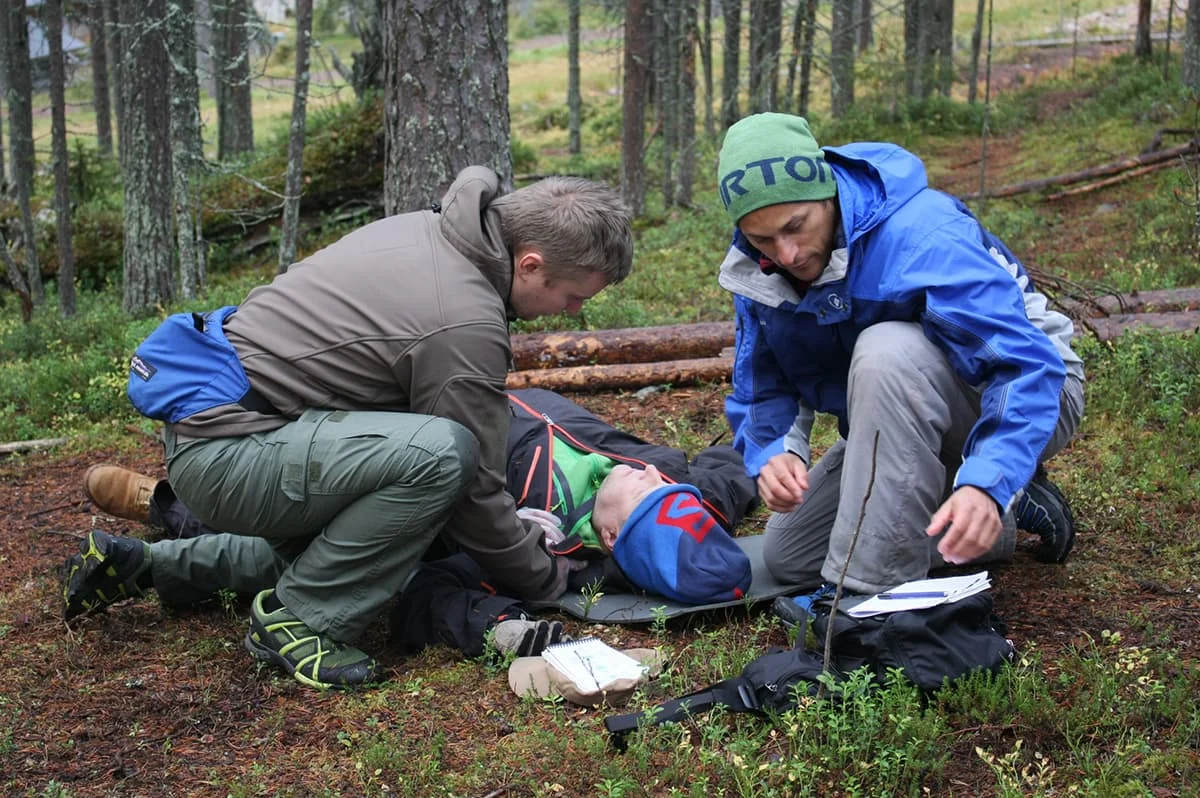
The 10 Most Common Backcountry First Aid Scenarios Every Hiker Should Master
A decade of wilderness injury data reveals the 10 most common backcountry medical scenarios. Master these, and you'll be ahead of 90% of recreators on the trail.
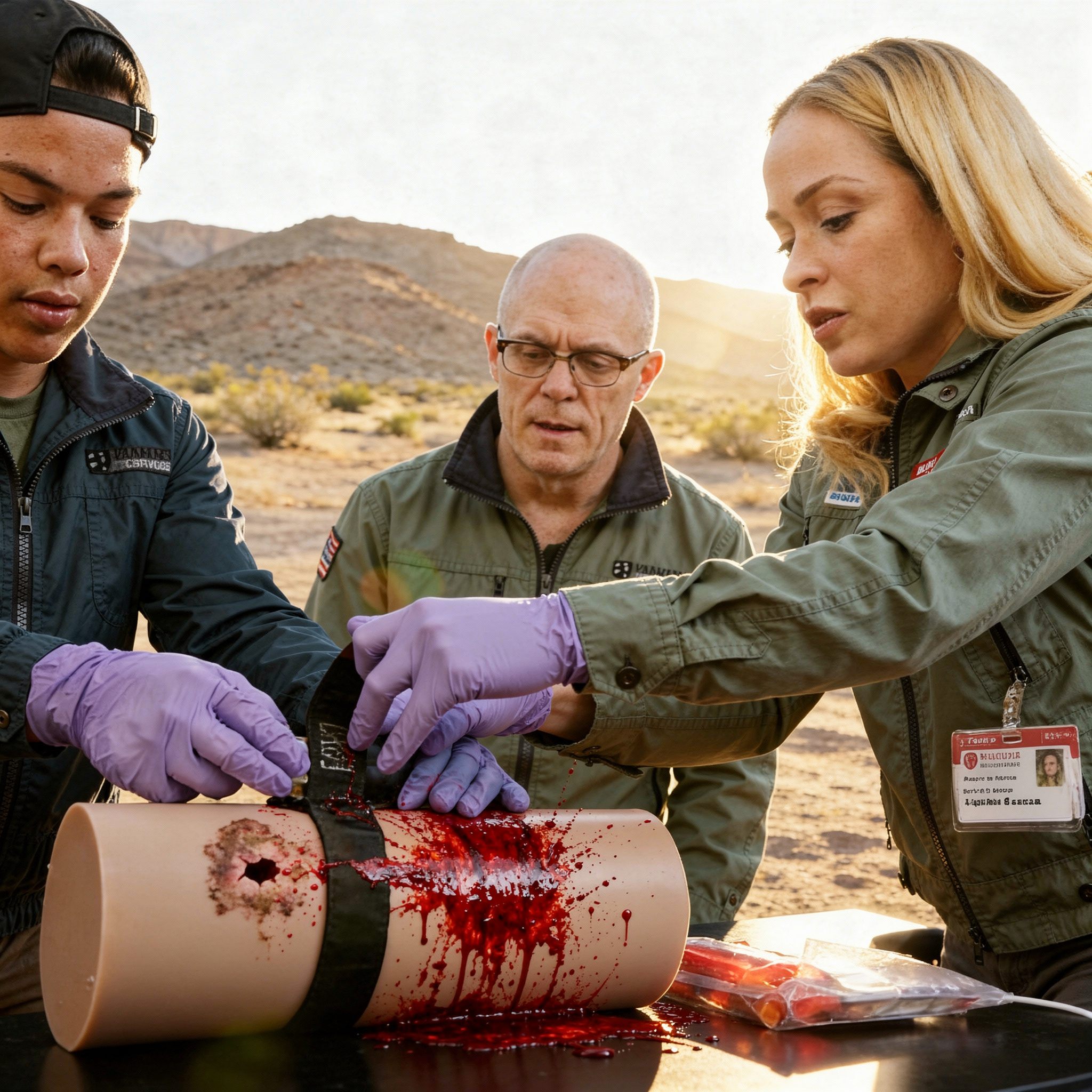
The M.A.R.C.H. Protocol: Why TimberRaven Builds Backcountry Medical Training Around This Battlefield-Proven Framework
Discover how the M.A.R.C.H. protocol—forged in combat medicine—saves lives in the backcountry, and why TimberRaven builds our wilderness trauma training around it.