
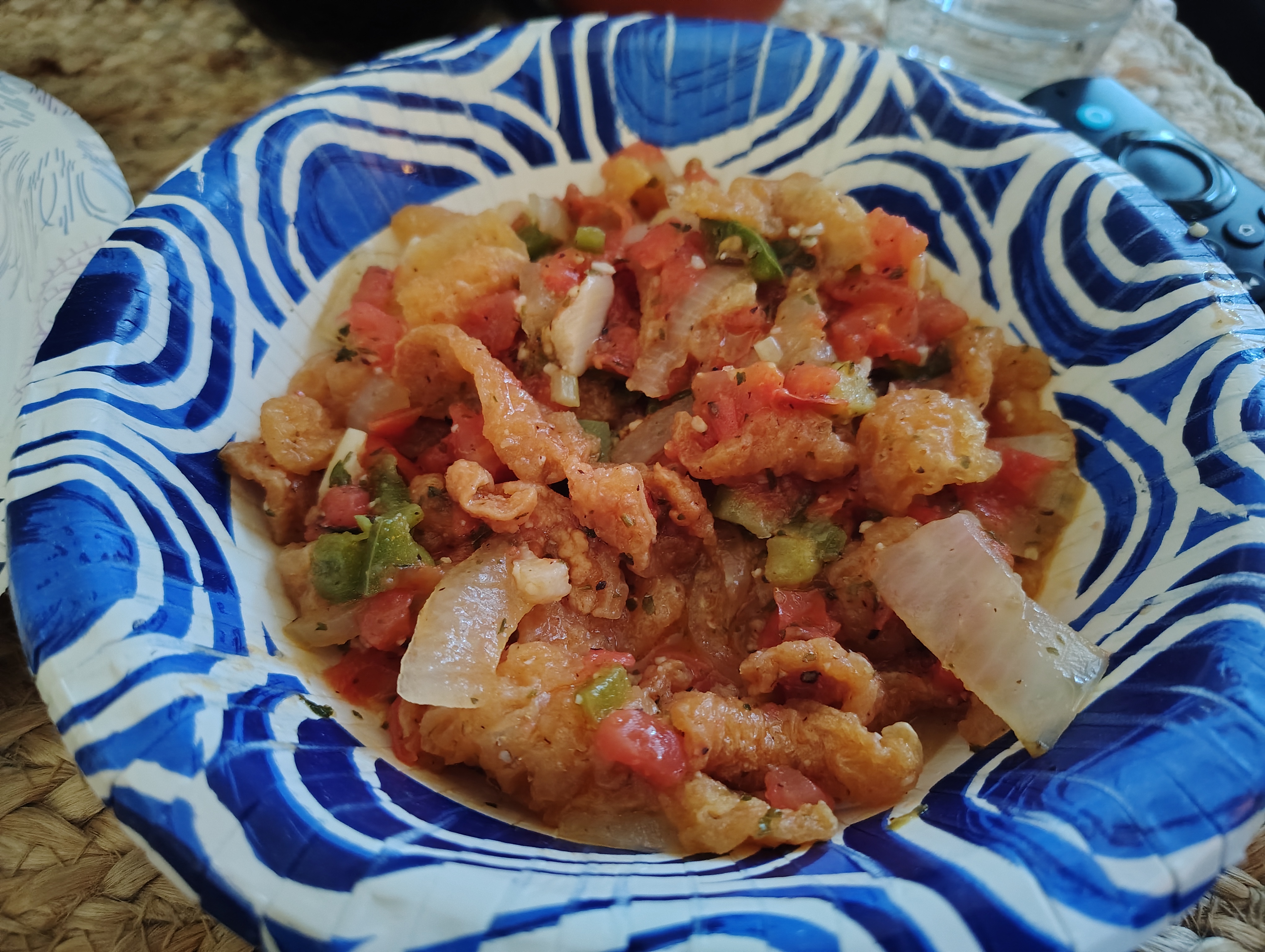
Chicharrones en Salsa: The No-Refrigeration Overland Meal That Eats Like a Feast
A traditional Mexican recipe turned overland gold—high-protein, shelf-stable chicharrones en salsa delivers a hot, hearty campfire meal with zero refrigeration required.
We don't usually do recipe posts. Our wheelhouse is recovery techniques, navigation, wilderness medicine, and helping you get further into the backcountry with confidence. But every once in a while, something crosses our path that's too good not to share with the overland community—especially when it solves a real problem most of us run into on multi-day trips.
That problem? Reliable, satisfying, high-protein meals that don't depend on a 12V fridge, a cooler full of melting ice, or freeze-dried packets that leave you hungry an hour later.
Enter chicharrones en salsa—a traditional Mexican dish we came across on the Junkyard Fox YouTube channel. We didn't invent this. It's been feeding families south of the border for generations. But after cooking it on the trail more than a few times, we're convinced it deserves a permanent spot in every overlander's recipe rotation. Credit where credit is due—go give Junkyard Fox a follow if you appreciate good, honest food content.
Why This Meal Belongs in Your Overland Kitchen
Most overland meal planning falls into one of three camps: the cooler-dependent crowd hauling fresh meat and dairy, the dehydrated-meal crowd surviving on $14 pouches, or the canned-everything crowd eating ravioli for the third night in a row. Each approach has trade-offs.
Chicharrones en salsa cuts a different path. Here's why it earns its place in the rig:
- Zero refrigeration required. The chicharrones are shelf-stable. The vegetables hold up for days—even a week or more—without a cooler if stored properly.
- High-protein and high-fat. This is real fuel for cold mornings, big elevation gains, or long days behind the wheel on technical terrain.
- Genuinely satisfying. The pork rind absorbs the salsa and develops a tender, almost meat-like texture. This isn't survival food. It's a real dinner.
- Versatile. Eat it from a bowl, wrap it in a tortilla, stuff it into tacos, or pile it onto whatever flatbread you've got. It plays well with however your camp kitchen is set up.
- Affordable. The entire meal can feed two or three people for less than the cost of a single freeze-dried pouch.
- Lightweight. Critical if you're traveling minimal—on a moto, an ADV bike, or a stripped-down rig.
And if your trust in that 12V fridge is shaky—maybe the compressor has been making a funny noise, maybe you're worried about a long stretch without alternator time—this is the kind of backup meal that takes the pressure off without sacrificing quality.
What Are Chicharrones, Exactly?
If you've only ever encountered chicharrones as a crunchy snack in a gas station bag, you might be wondering how this turns into a hot, savory bowl of food. Fair question.
Chicharrones are fried pork skin (or sometimes pork belly with skin attached). When you simmer them in liquid, the rind softens, rehydrates, and absorbs the flavor of whatever it's cooking in. The fat content stays. The texture transforms. What started as a crunchy, brittle chip becomes tender, chewy, and rich—closer to slow-braised meat than anything else.
For this recipe, you want plain chicharrones—no chili-lime dust, no flavored coatings. Look for the simple Mexican-style pork rinds at any grocery store with a decent international aisle, or hit a Latin market for the best selection. The big puffy "chicharrones de cerdo" or the denser, meatier "chicharrón con carne" both work. The denser style holds up slightly better on the trail.
Ingredients
This recipe scales easily. The version below feeds two hungry adults or three average appetites. Double it for a group around the fire.
- 2–3 large tomatoes
- 1/2 large white onion
- 3–4 garlic cloves
- 2 jalapeños
- 1 cup water
- Olive oil (a generous glug—about 2 tablespoons)
- 1/2 bag of plain chicharrones
- Seasoning to taste (more on this below)
- Optional: warm flour tortillas for serving
A Note on Seasoning
Our preferred seasoning here is Masa Mole if you've got it—it adds depth and that earthy, slightly sweet complexity mole is known for. If you don't, any chicken or beef bouillon-style seasoning works.
Critical tip: do not add salt. Chicharrones are already heavily salted, and as they break down into the salsa, they release sodium into the entire dish. Adding salt at the start—or using a heavily salted seasoning blend—will push the meal past savory and into bitter, inedible territory. This is the single most common mistake people make on their first attempt. Trust us. Hold the salt.
Gear Notes Before You Cook
This recipe is forgiving on equipment, but a few choices make a real difference at camp.
Use a Pot, Not a Pan
You want depth. The chicharrones need to be submerged in the salsa to soften properly. A skillet will work in a pinch, but a small to medium pot (1.5–2 quart range) is the right tool. If a pan is all you carry, make sure the salsa volume is enough to surround the chicharrones once they go in.
Skip the Cast Iron
We love cast iron for plenty of camp cooking, but not here. The acidity from the tomatoes can react with cast iron, leaving a metallic taste in the salsa and stripping seasoning from the pan. Stick with stainless steel, anodized aluminum, or a quality enameled pot. Titanium works fine too if that's what's in your kit.
Heat Source
This cooks well over a single-burner camp stove, a two-burner setup, or an open fire with a stable grate. If you're cooking over flame, set up off to the side of the hottest coals—you want a steady simmer, not a hard boil.
Step-by-Step: Cooking Chicharrones en Salsa
Step 1: Prep Your Vegetables
Roughly chop the onion. Dice the tomatoes—skin on is fine, no need to peel. Mince the garlic. Slice the jalapeños into rounds.
Heat preference: If you like it spicy, leave the jalapeño seeds and ribs in. If you're cooking for a mixed crowd or just want flavor without the burn, slice the peppers in half lengthwise first and scrape out the seeds and white membrane before slicing.
Step 2: Build the Salsa Base
Add olive oil to your pot and heat it over medium. You want it shimmering but not smoking. Add the onion first and let it sweat for a minute or two until it starts going translucent. Add the garlic next—keep an eye on it, garlic burns fast and turns bitter.
Now add the tomatoes and jalapeños. Stir everything together and let it simmer. The tomatoes will start releasing their liquid within a couple of minutes. Keep stirring occasionally and let the whole mixture soften into a chunky salsa, about 8–10 minutes. The tomatoes should break down and the onions should be fully tender.
Step 3: Season
Add your Masa Mole or chicken/beef seasoning to taste. Start light—you can always add more. Remember the no-salt rule. Stir it in and let it cook for another minute so the seasoning blooms in the oil.
Step 4: Add Water and Bring to a Boil
Pour in one cup of water. Stir well. Crank the heat up and bring the whole thing to a rolling boil. This step matters—you need the salsa hot enough to immediately start working on the chicharrones when they hit the pot.
Step 5: Add the Chicharrones
Drop in your half-bag of chicharrones. Stir them through the salsa so every piece is coated. They'll start absorbing liquid almost immediately and shrinking down. Reduce heat to a low simmer, cover the pot, and let it work.
Step 6: Cook to Desired Consistency
This is where personal preference comes in. Cook longer for softer, more tender chicharrones that approach the texture of braised pork. Cook shorter if you like a little chew and resistance. Five to ten minutes covered will get you most of the way there. Stir occasionally and add a splash more water if the salsa starts looking dry.
When the chicharrones have softened to your liking and absorbed most of the salsa, you're done.
How to Serve It
This is where the meal really shows its versatility around camp:
- In a bowl, low-carb style. Spoon it straight into an enamel bowl and eat it as is. Hearty, hot, satisfying. Naturally low-carb if you skip the tortilla.
- Wrapped in a warm flour tortilla. Throw a tortilla on the lid of your pot or directly over a low flame for ten seconds per side, then load it up burrito-style. The tortilla balances the protein and fat with carbs—great fuel before a big day on the trail.
- Taco style. Smaller corn tortillas, double-stacked, topped with a few slices of avocado if you have one rolling around in the rig.
- Over rice. If you've got a pouch of pre-cooked rice or you've already made some at camp, ladle the chicharrones en salsa right over it.
The Nutritional Breakdown for Active Days
This meal hits the macros that matter when you're working hard outside.
Protein and fat: Chicharrones provide a protein-to-fat ratio that mimics actual pork. You're getting real, satiating fuel—not the kind of meal that leaves you snacking an hour later.
Fiber: The tomatoes, onions, garlic, and peppers contribute meaningful fiber—something most camp meals are dismally short on after day three of a trip.
Electrolytes: Sodium comes naturally from the chicharrones (which is exactly why we don't add more). Potassium comes from the tomatoes. Both are critical if you've been sweating through technical dri
TimberRaven Outdoors
Instructor & field professional at TimberRaven Critical Response LLC